This project gave me a chance to work through almost every part of an analysis:
collecting data through an API, cleaning and restructuring it, choosing statistical
methods based on specific questions, testing relationships, building visualizations,
and deciding what the results actually meant.
It also showed me how much the way you collect data can affect what you eventually
find. Because I collected exactly 10 artists for every user, I introduced some
artificial regularity into the network. If I continued the project, one of the first
things I would change would be allowing the number of artists per user to vary. I
would also add actual Last.fm friendship connections so I could compare social
relationships directly with similarities in music taste.
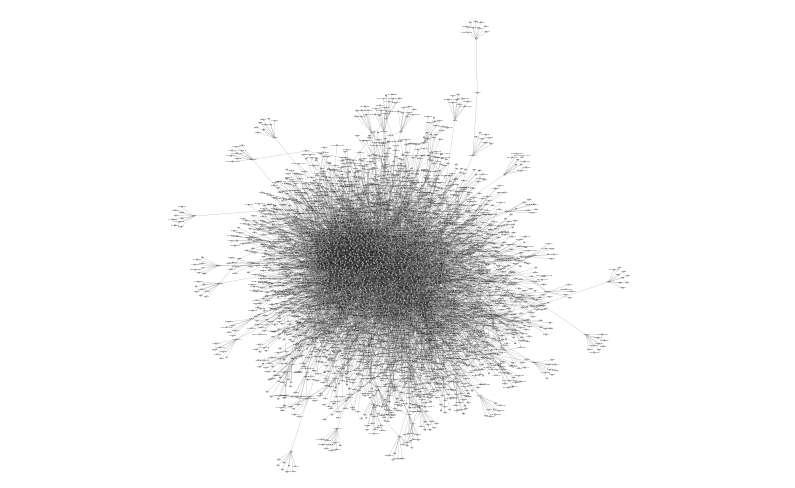
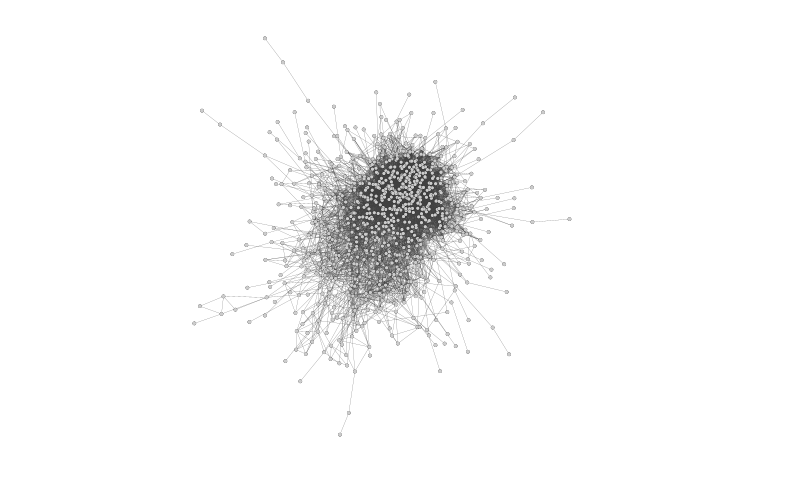
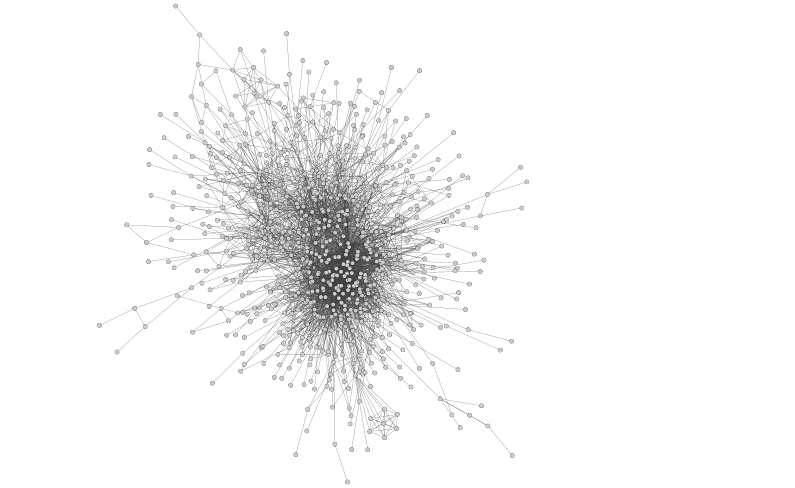
What I found most interesting was seeing things I normally think about more casually, like mainstream versus niche music, genre communities, and artists that connect different audiences, actually emerge as patterns in the data. On a larger scale, these patterns show how something as individual as listening to music can reflect broader social structures, with thousands of personal listening choices coming together to form distinct communities and connections.